
Memoricide and Memory Keeping

I first came across the term memoricide in this short article by Sarah Ihmoud about Gaza. Since then, that word is something I’ve become obsessed with. In an anthropological context, memoricide means the destruction not only of bodies but also attempts to erase the entire memory of an ethnic group’s existence, through such means as the desecration of holy sites, schools, and cultural landmarks. Literally, it translates to the killing of memory. Memory loss isn’t just something that happens inside one person, as if we are all isolated individuals. It is about ancestral deep time, interconnection, what people do to each other and what people can hold for each other.
Repression of memory is real, not simple forgetting. Wherever repression happens for individuals, you can be sure to find a cultural surround reinforcing this erasure of memory.
To be clear, I’m not not writing about Gaza; but I am primarily writing about the destruction of memory in all its forms, and the fight to preserve it. I care about Gaza like I care about disappeared Indigenous women and silenced people everywhere. We have a need and a sixth sense to hold memory for each other.
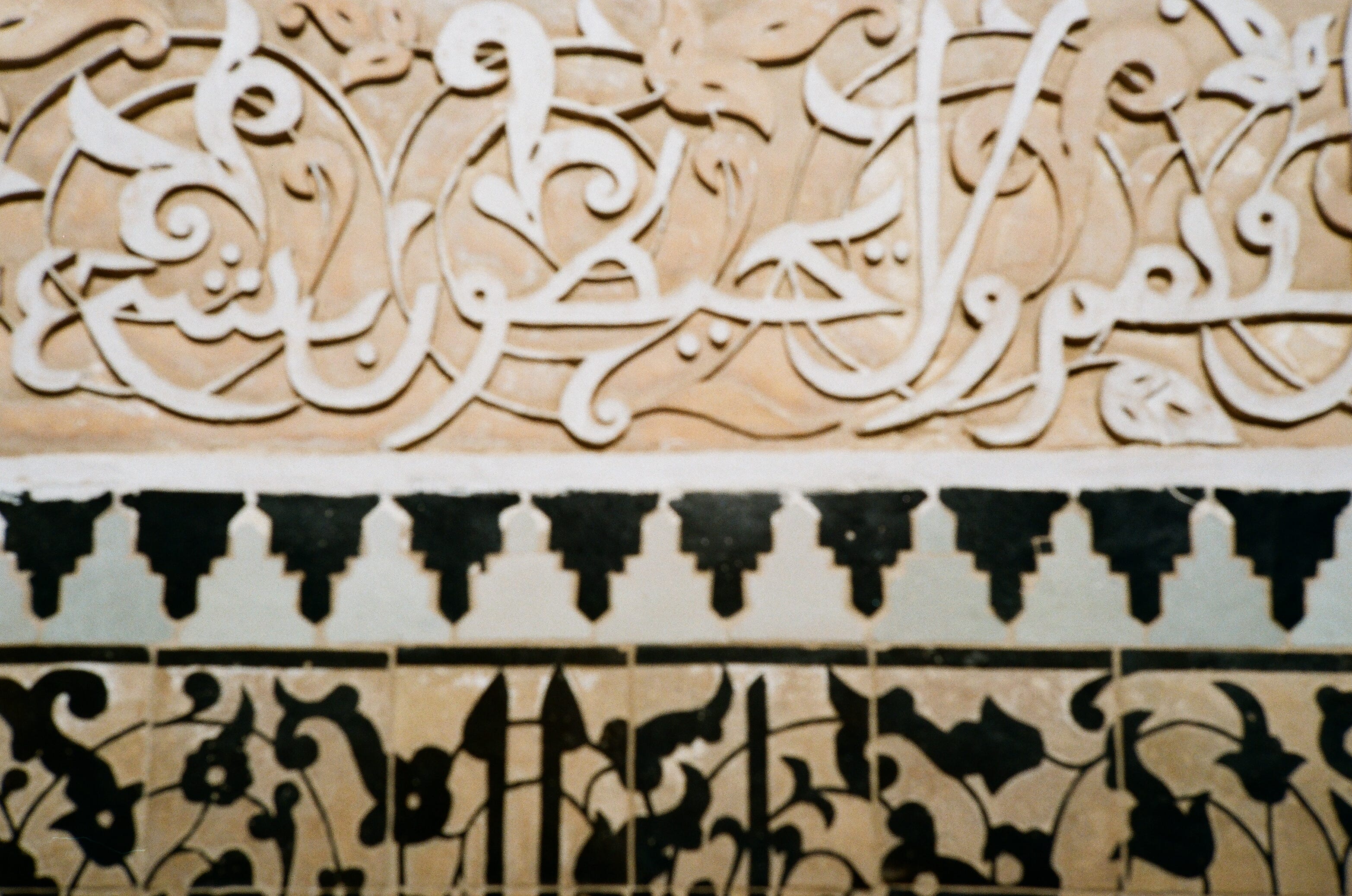
And I’m not the first to make these links between cultural erasure and repression on the personal level. In her article Weeds on the Ruins, Jill Gentile used Milan Kundera’s metaphor to back and forth “the impact of political repression on the survival of a nation and its culture… [and] the impact of psychological repression on the survival of the psyche.” Of new statues covering the cultural symbols that had been destroyed, Kundera wrote, “They grow like weeds on the ruins, like melancholy flowers of forgetting.”
Forgetting is indeed melancholy. Or perhaps we could say banal. Numb. Disembodied and disconnected from an ethic of ancestral connection.
In the last article I’m going to cite here, Hazem Fahmy inverted Hannah Arendt’s brilliant phrase “the banality of evil” to draw attention to the mute everyday that has harmfully come to pass for normal: “When it comes to colonialism, what most urgently demands our attention is not the banality of evil, but the evil of banality.” Indeed, there is a destruction lurking behind every whitewashed calm.
I will echo a call I hear inside myself and every person I interact with: “Wake up!” What scars are you carrying? What dreams of the future? There is an antidote to the banal, and though it may seem mundane itself, it is the crossroads that holds the clues to an eternal line: your body.
I spoke to a woman this week who returned to her family church, after decades of being away. Like the church I grew up attending, it was Protestant and bare. No stained glass, no stations of the cross, no sacred lettering. Accordingly, there were far fewer people in the pews than had been there before. We spoke of this as a dying church, a place that was perhaps intent on connection but somehow got disconnected from the Source. At the same time, she associated to her mother’s body, or more precisely the church’s prohibition on seeing her mother’s body when she was a child. That erasure foretold certain death. In contrast, the church of the body, of land, and of symbol is the well of origination that can never die.
When Ilan Pappe introduced the term memoricide, he said it is inseparable from genocide. Whether on a collective or individual scale, you can’t separate the body from memory. Those who are willing to destroy bodies will also go to lengths to cover over the stories of those who inhabited them, or else why would the erasure need to happen in the first place? The inverse of this is true too, and there is a germ of hope in it:
In order to recover memory, listen to the body.
To say that The Body Keeps the Score has almost become a trope, but we know it is no metaphor. One of the effects of trauma is that it shuts down verbal language production, and memories of trauma are usually not conscious, as in, “I remember when…” However, memories are not gone altogether. Rather, they show up in sensations, emotions, repeated actions we often can’t make sense of, a cry on the other side of the world we can’t stop hearing. Those who have a vested interest in our not remembering will say these bodily sensations have nothing to do with memory. They would rather call them psychotic, hysterical, displaced, irrational. I call that memoricide.
Who is strong enough to hold memory when it is systemically, physically, and psychically under attack? Like a sibling who witnesses but does not directly experience, we often need each other to hold space for memory keeping. Never simply in the present, we can observe the tattoos of intergenerational life written on our fantasies and especially our bodily sensations. Sometimes this looks like absence: fatigue, forgetfulness. This, too, is the beginning of memory. Your body is the ruin and it is here to be known.
Upcoming Retreat at New Queens Haven: Writing the Maternal Body
July 19, 20, 21 in Accord, NY
To submerge in ancestral deep time, I invite you to an intimate women’s only writing retreat in Accord, NY this July. We will be reading excerpts from Leslie Jamison, Lucy Jones, Kiese Laymon, and Helene Cixous as model texts for writing the body in personal essay. Through writing prompts and group sessions, we will explore the specific intergenerational crossroads that a mother inhabits at the site of her body. Of course, in addition to dedicated writing time, there will be ample time in the natural world for pleasure, restoration, and all the feels.
Cost is $750 for three days without lodging. Lodging and transportation are available for an additional fee. Email me at info@tracysidesingerpsyd.com for more information!